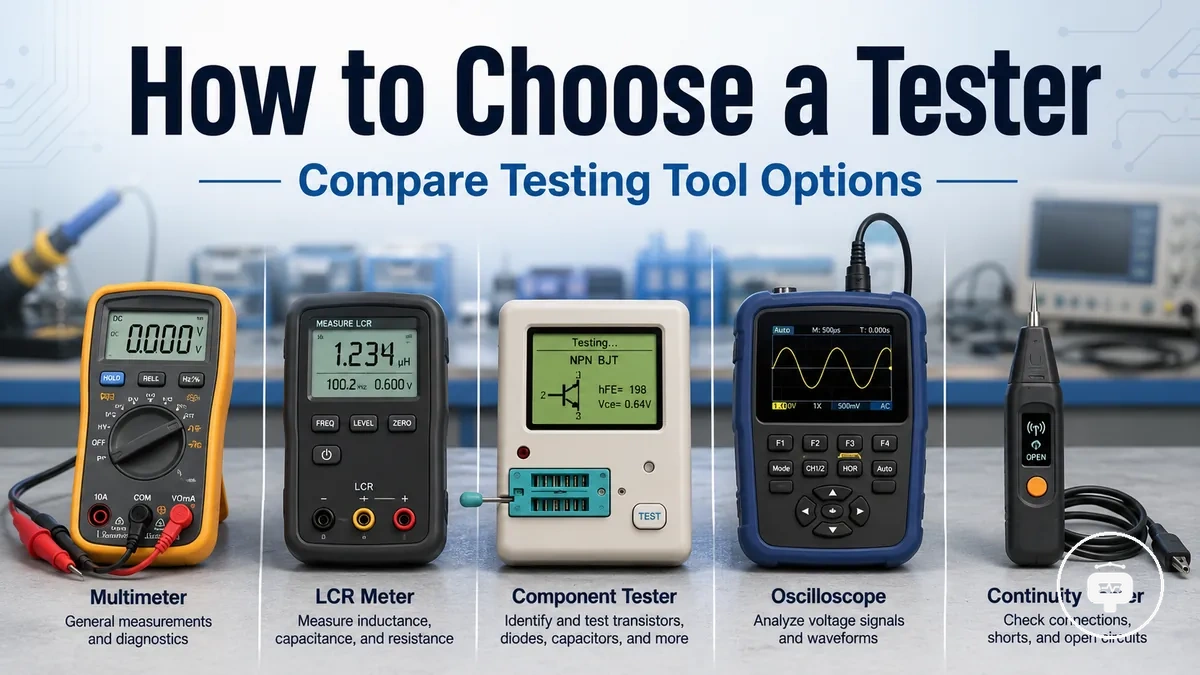
How to Choose an Electronic Component Tester
Choosing an electronic component tester depends on your testing needs, required component support, useful measurements, and practical use conditions. No single tester suits every task, so the selection should begin with the required capability and use case rather than a product name or feature count.
An electronic component tester should qualify for consideration only when its component support and measurement functions match the intended work. A tester used for identifying loose components may need different capabilities from one used for repair checks, repeated sorting, or occasional bench testing.
Evaluate each option by defining what must be tested, which measurements matter, how components will connect to the tester, and how portable or convenient the setup needs to be. These criteria create the basis for comparing tester capabilities without assuming that a more complex device is automatically the better choice.
Electronic Component Tester Buying Context and Selection Scope
Electronic component tester selection defines how well a tester's purpose matches the intended testing task, required component support, measurement goals, and operating conditions. Choosing within the correct scope starts by identifying the testing objective before comparing capabilities. For a broader introduction, visit the electronic component testers hub.
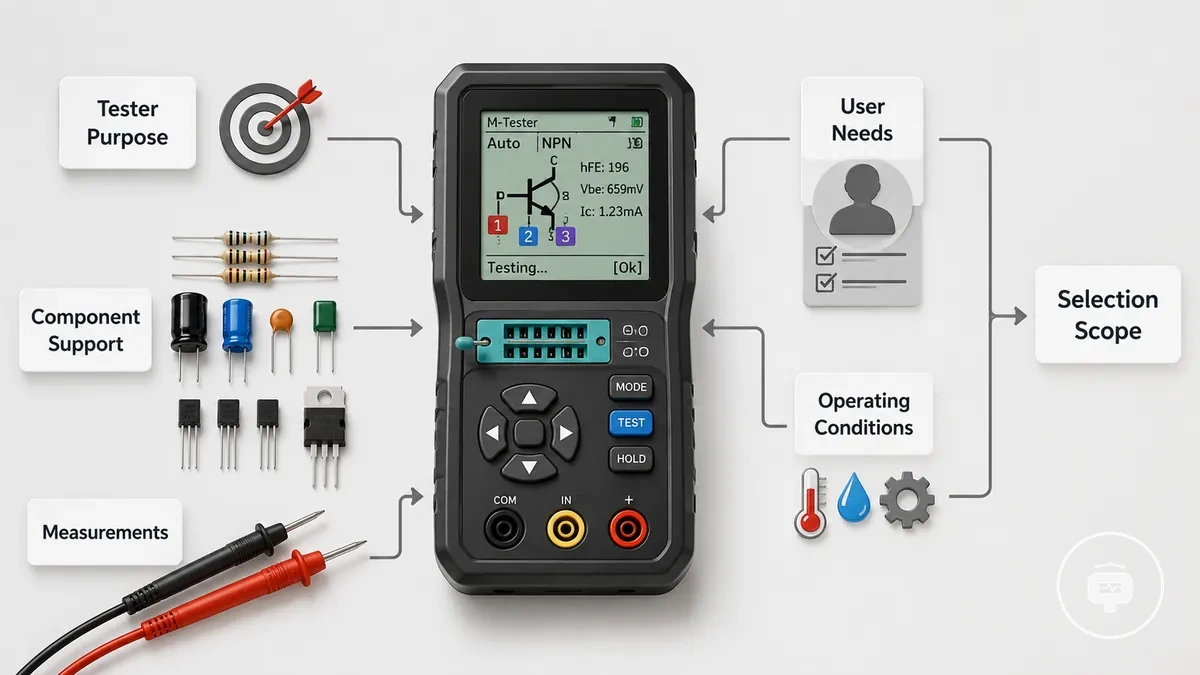
A suitable electronic component tester depends on user requirements rather than a universal specification. The selection scope should include the components that need testing, the measurements that support the intended task, and the practical conditions in which the tester will be used. Establishing this context first helps narrow later comparisons without drifting into product-specific decisions.
The following checklist provides a practical framework before evaluating detailed selection criteria.
- Define the primary tester purpose before comparing capabilities.
- Match component support to the components that need testing.
- Identify the measurements required for the intended testing goals.
- Consider operating conditions such as workspace, portability, and frequency of use.
- Use these requirements as the foundation for the detailed evaluation criteria that follow.
Component Testing Requirements That Determine Tester Choice
Component testing requirements determine tester choice because the required component type, measurement capability, and testing conditions define which tester capabilities are appropriate for the intended task. Before comparing specifications, check component compatibility to confirm that the tester supports the components you plan to evaluate.
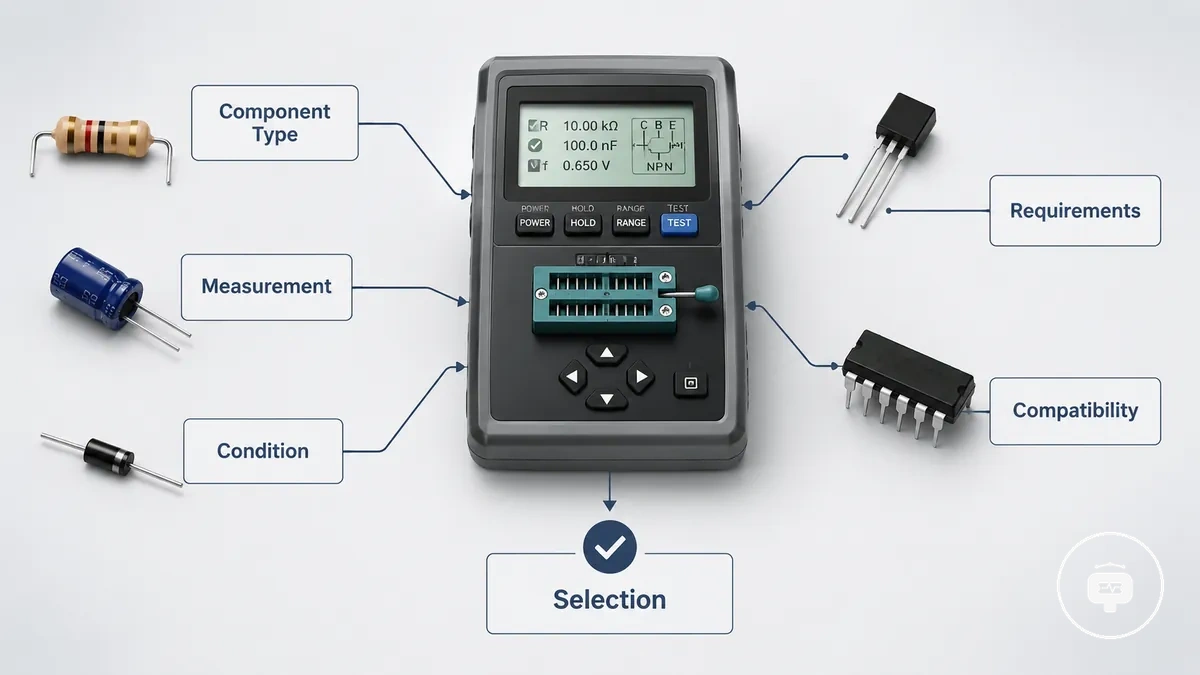
Component requirements should be evaluated together because each testing requirement can influence the overall selection. The component type determines what needs to be tested, measurement capability determines what can be evaluated, and component condition may affect how results are interpreted. If the testing configuration changes, the most suitable tester may also change.
The table below summarizes the primary decision variables that should be considered before comparing individual tester capabilities.
| Testing Requirement | Decision Impact |
|---|---|
| Component type | Determines whether the tester supports the intended electronic components. |
| Measurement capability | Determines whether the required electrical measurements can be performed. |
| Component condition | May influence the testing method and interpretation of results. |
| Testing requirement | Helps match tester capabilities to the intended application. |
Evaluating these decision variables together provides a practical framework for selecting an electronic component tester while keeping the focus on testing requirements instead of isolated specifications.
Supported Components and Measurement Capabilities
Supported components and measurement capabilities determine whether an electronic component tester is suitable for a specific testing task. Compatibility depends on the component types the tester can evaluate, the available measurement range, and whether those capabilities match the intended testing conditions. To clarify these limits, check component compatibility before comparing other features.
The relationship between supported components and measurement capability becomes clearer when both are reviewed together. The illustration below highlights the compatibility factors that can affect tester suitability.
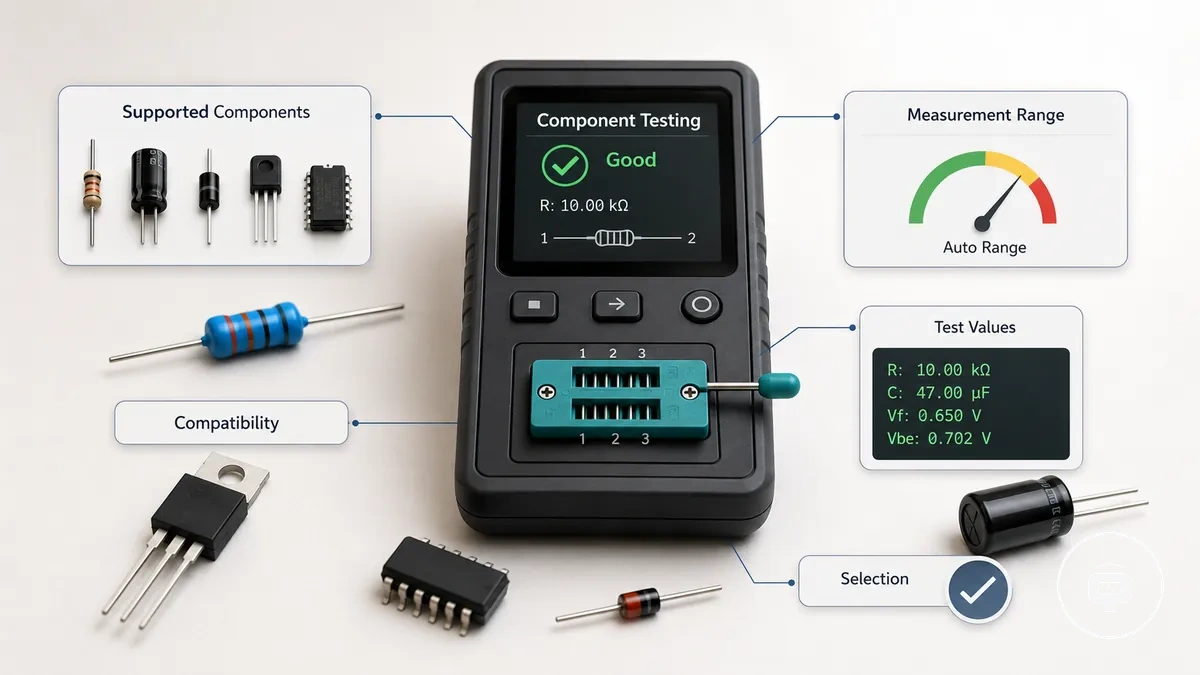
Use the following checklist to evaluate compatibility for component testing:
- Confirm that the supported components include the devices you intend to test.
- Check whether the available measurement range matches the required electrical measurements.
- Consider whether component condition or testing configuration may affect suitability.
- Compare component support and measurement capabilities together because either limitation can influence tester selection.
Testing Environment, Connections, and Portability Requirements
When component testing takes place across different workspaces, connection method and portability can influence tester suitability. Probes, sockets, workspace layout, and the need to move the tester between locations may affect usability, while the appropriate setup depends on the intended testing conditions. For practical examples of component tester probes, sockets, and connection methods, compare how each connection style fits the expected workspace.
The illustration below shows how testing conditions, connection methods, and workspace setup relate to electronic component tester selection.
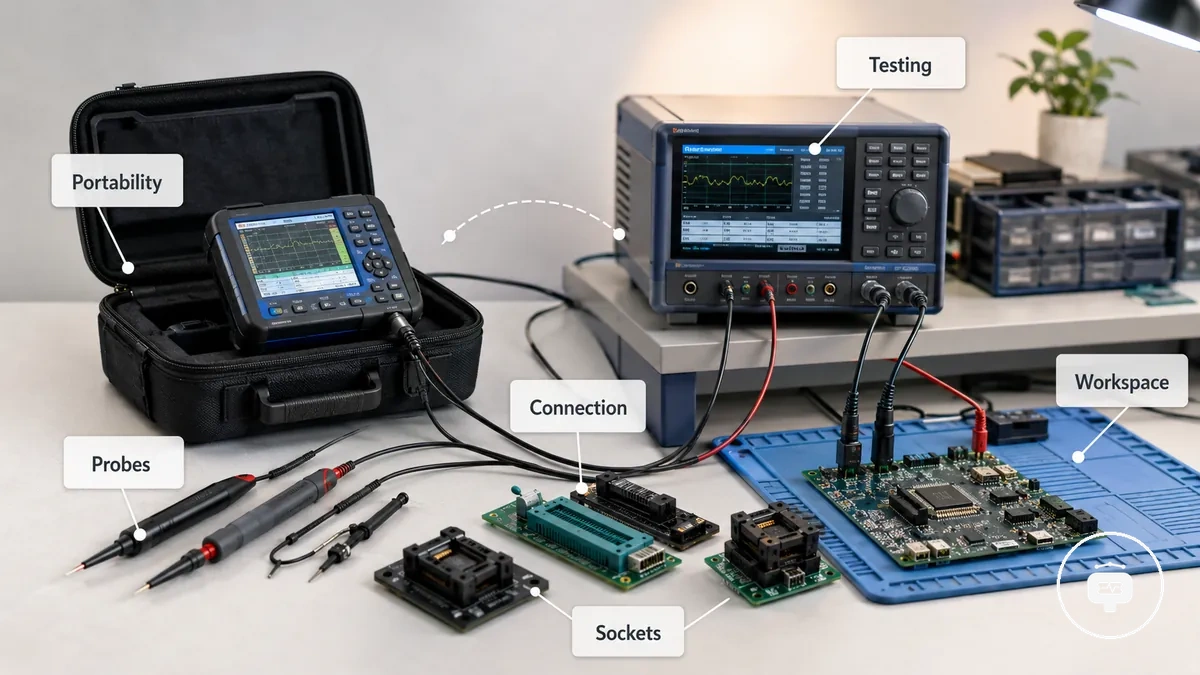
Use this checklist to compare the relevant attributes:
- Match probes or sockets to the components and access conditions involved.
- Consider whether the workspace supports fixed bench use or requires greater portability.
- Evaluate the connection method against the testing condition rather than assuming one approach suits every situation.
- Compare portability with workspace requirements so the tester aligns with the intended use environment.
Important Electronic Component Tester Features to Compare
Electronic component tester features should be compared against the testing goal because each feature has value only when it supports the intended task. Auto detection, display quality, and measurement functions may improve usability when they match the components and measurements involved. As the shortlist narrows, review the relevant features to compare within the context of those requirements.
Evaluate each feature by its function, the information it provides, and its effect on component testing. A feature that helps identify components may offer less value when the main need is measurement comparison, while additional functions may be useful only when they support the intended testing scenario.
The comparison below shows how common feature categories can affect selection without assuming that a higher feature count produces a better tester.
| Feature | Function | Selection Value | Decision Impact |
|---|---|---|---|
| Auto detection | May help identify supported components. | Can reduce manual identification when component recognition is needed. | More relevant when testing different component types. |
| Display | Presents measurement results and component information. | Can improve readability when the screen suits the working conditions. | Compare display clarity against the intended workspace and viewing needs. |
| Measurement functions | Provide the available electrical measurement capabilities. | Have value when they match the required testing tasks. | Compare functions according to actual measurement needs rather than feature count. |
Automatic Detection, Display, and Measurement Functions
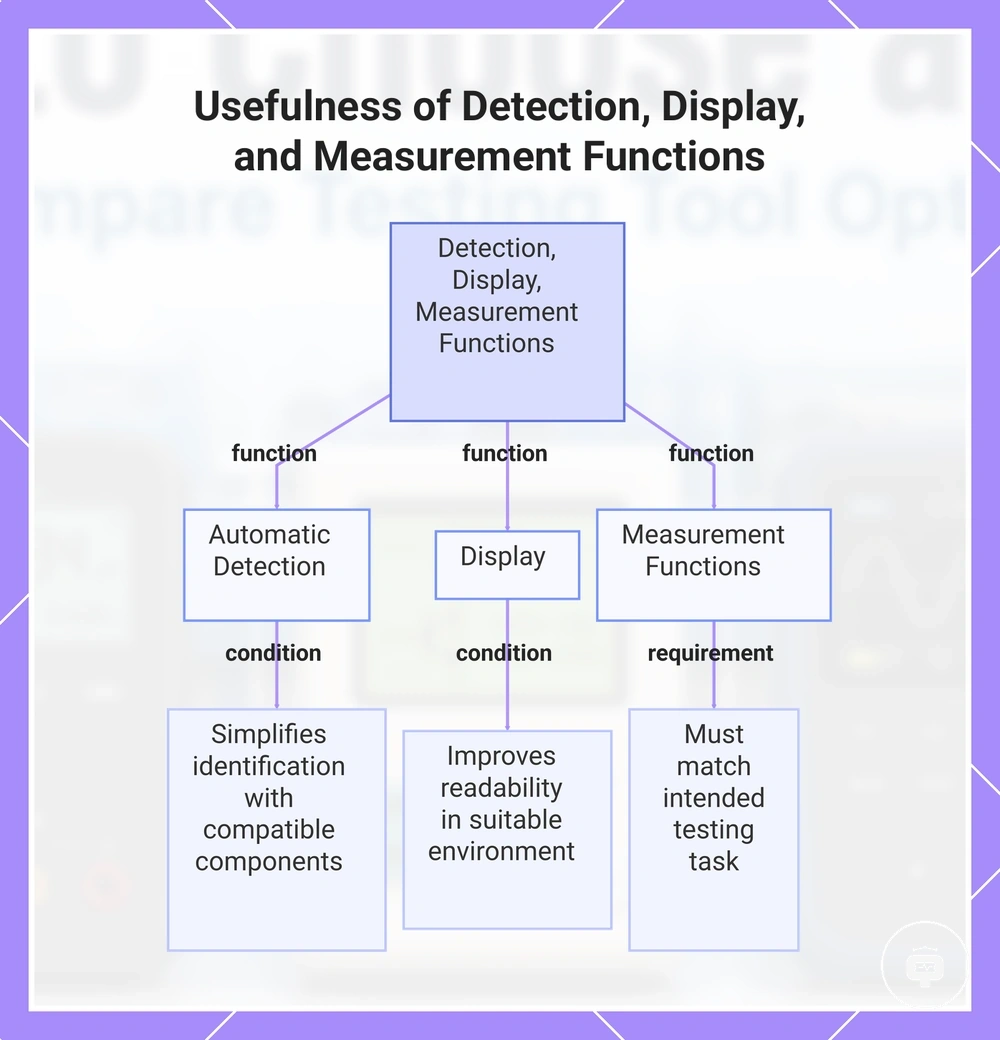
Automatic detection, display, and measurement functions influence evaluation convenience by affecting how components are identified, how results are presented, and how well the tester supports the intended testing task. Their usefulness depends on whether these functions match the required measurements and testing conditions rather than simply increasing the number of available features.
Automatic detection may reduce manual identification when supported components are being tested, while a clear display can make measurement results easier to interpret in suitable working conditions. Measurement functions should be evaluated according to the electrical characteristics that need to be checked, because additional functions provide value only when they support the intended application.
- Automatic detection: May simplify component identification when compatible components are tested.
- Display: Can improve result readability when it suits the workspace and viewing environment.
- Measurement functions: Should match the measurements required for the intended testing task.
This chart shows the three main functions and the conditions under which each provides value for evaluation convenience.
Probes, Sockets, and Component Access Options
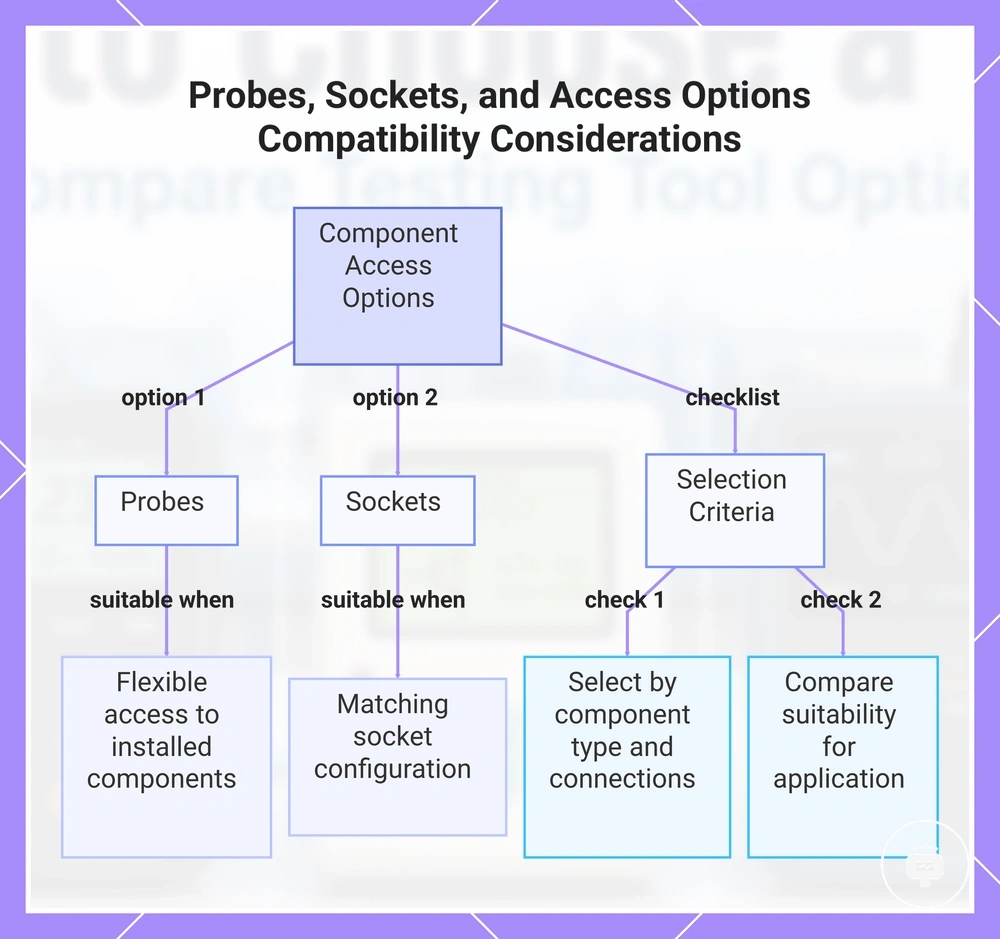
Probes, sockets, and component access options affect compatibility because the connection method must suit both the component being tested and the intended testing task. The most suitable option depends on component access, connection requirements, and testing conditions rather than a single connection style. For additional guidance, see component tester probes, sockets, and connection methods.
Compare access options according to how they support the intended testing scenario. The checklist below highlights the main compatibility considerations that can influence tester selection.
- Probes: May be suitable when flexible access to installed or differently positioned components is needed.
- Sockets: Can be appropriate when the component matches the available socket configuration.
- Access options: Should be selected according to the component type and connection requirements before compatibility is assumed.
- Selection effect: Compare connection methods by their suitability for the intended application instead of expecting one option to fit every testing situation.
This chart outlines the key factors affecting compatibility of probes, sockets, and access options for component testing.
Accuracy, Limitations, and Feature Trade-Offs
Accuracy can influence a buying decision when it is evaluated alongside measurement conditions and practical limitations rather than in isolation. A tester with suitable accuracy for the intended task may be more appropriate than one with additional capabilities that are unnecessary for the expected use. To better understand accuracy limits, compare accuracy within the context of the measurements you need.
Accuracy depends on how the tester is used, the components being evaluated, and the measurement conditions. Limitations may affect suitability for particular tasks, so comparing both capabilities and constraints provides a more balanced basis for selection than focusing on precision claims alone.
The comparison below shows how accuracy, conditions, and limitations can affect the selection decision.
| Comparison Factor | Selection Consideration |
|---|---|
| Accuracy | Compare it according to the measurements required for the intended testing task. |
| Measurement conditions | Results may vary with the testing setup and application. |
| Limitations | Consider whether capability constraints affect the intended use case. |
| Feature trade-offs | Balance accuracy with the functions and limitations that matter for the testing requirements. |
Choosing a Tester Type for Different Electronics Needs
Choosing a tester type depends on the required capability, intended use case, and the components you expect to test rather than on a universally preferred category. A tester type that matches the planned testing scenario may provide a more suitable choice than one with additional functions that are not needed. To choose by tester type, compare categories according to your testing requirements.
Tester type should be compared by the capability it provides and the situations it is intended to support. Different categories may suit different electronics needs, so selection is more effective when the available functions align with the required measurements and component types instead of the category name alone.
The comparison below highlights the distinctions that are most relevant when selecting a tester type.
| Tester Type | Capability | Use Case | Selection Outcome |
|---|---|---|---|
| General-purpose tester | Supports a broad range of common testing tasks. | Routine component evaluation. | May suit users with varied testing requirements. |
| Specialized tester | Focuses on targeted testing capabilities. | Applications requiring specific functions. | May be appropriate when those capabilities match the intended task. |
| Multi-function tester | Combines multiple measurement capabilities. | Testing workflows that benefit from broader functionality. | Selection depends on whether the available functions align with the intended use case. |
Matching Tester Capabilities to User Experience and Repair Goals
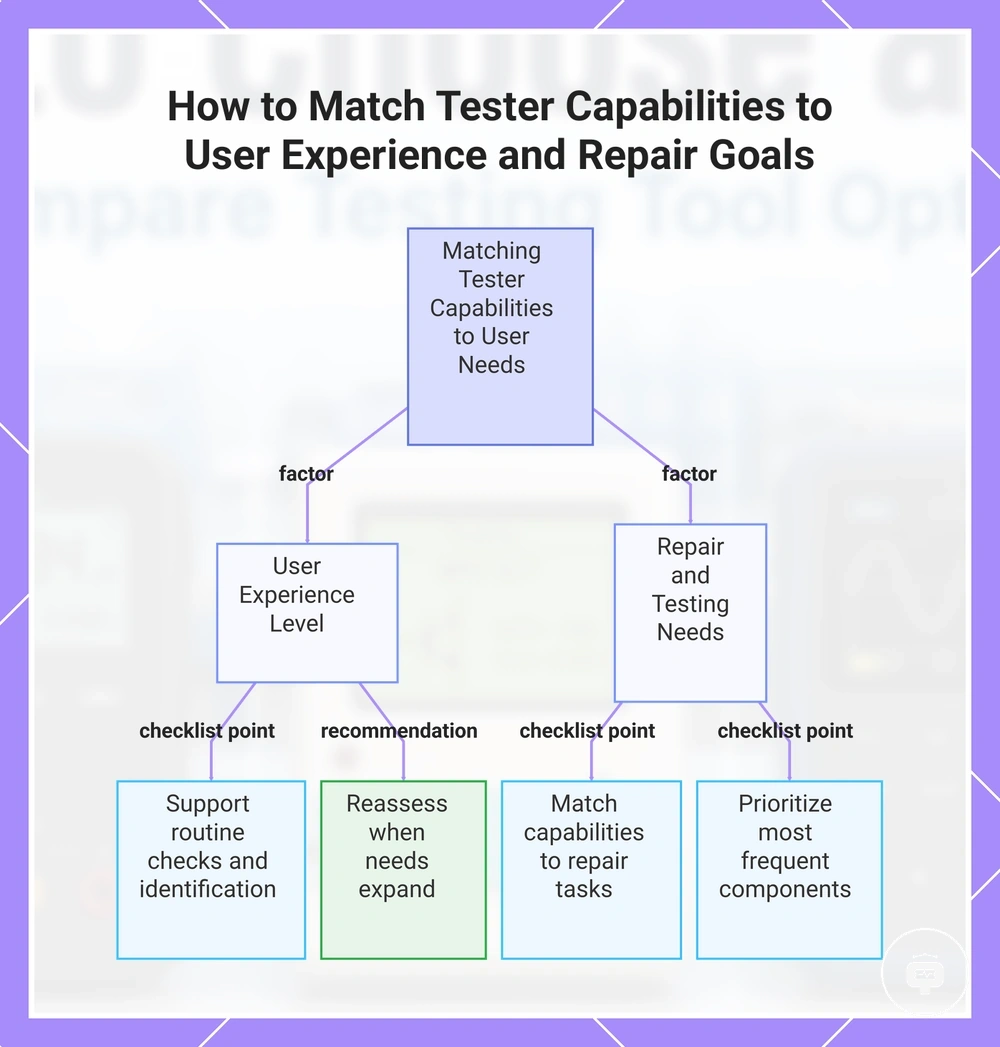
User experience and repair goals should guide tester selection because suitable capabilities depend on what the user needs to accomplish and how familiar they are with component testing. A beginner may benefit from functions that simplify routine checks, while broader repair goals may require additional measurement options or greater testing flexibility. No single capability set suits every user or repair scenario.
Match tester capabilities to testing needs before comparing additional specifications. Consider the components involved, the expected repair tasks, how often the tester may be used, and whether those needs could expand over time. Capabilities that align with these conditions may reduce unnecessary complexity without excluding functions needed for the intended work.
Use the following checklist to compare suitability for different user situations:
- Beginner: Consider capabilities that support straightforward component identification and routine testing needs.
- Repair goals: Match measurement capabilities to the repair tasks you expect to perform.
- Testing needs: Prioritise functions that align with the components and measurements required most often.
- Recommendation logic: Reassess tester capabilities if experience or repair requirements expand rather than assuming one configuration suits every stage of use.
This chart shows the key factors for selecting a tester based on user experience, repair goals, and testing needs, plus a recommendation to reassess as requirements evolve.
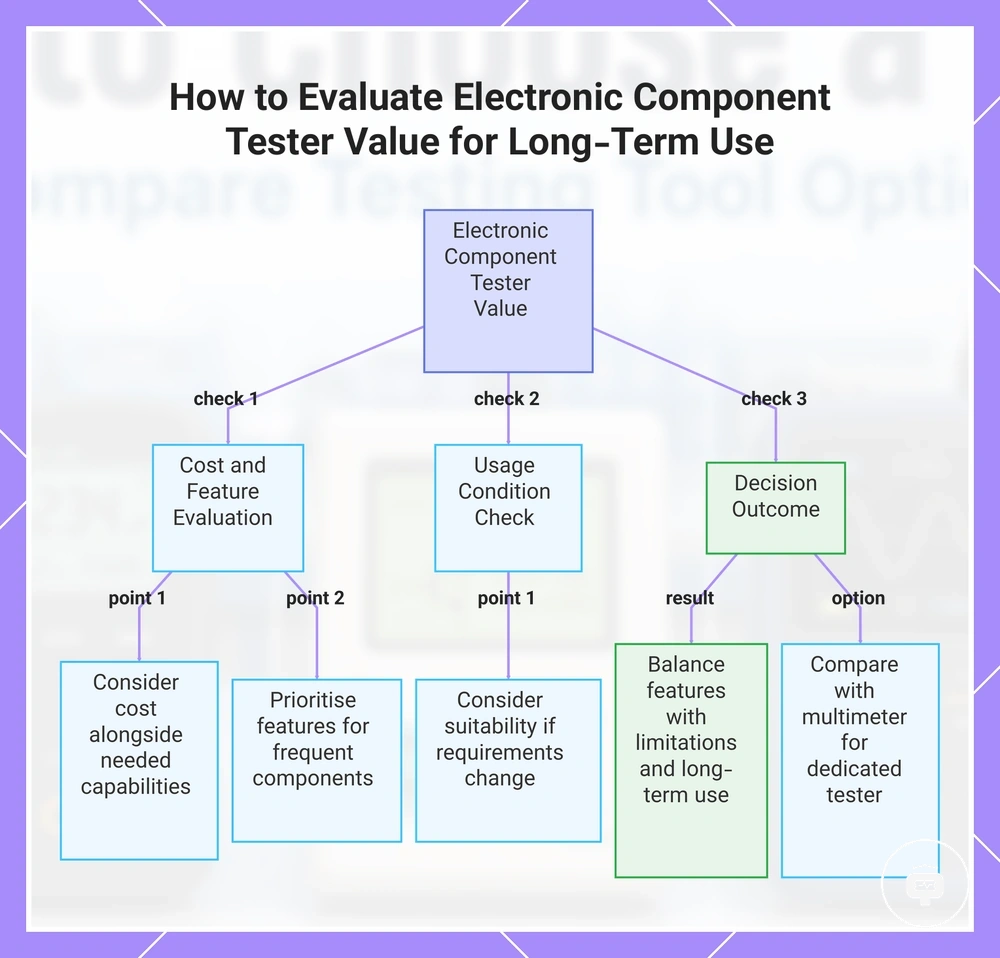
Electronic Component Tester Value Based on Features and Long-Term Use
Value depends on how well an electronic component tester's features support your testing needs over the long term rather than on cost or feature count alone. A tester with capabilities that match the intended use case may provide greater long-term value than one with additional functions that are unlikely to be used. For a broader evaluation, review cost and value checks before making a decision.
Here are product examples that may make comparison easier. Before buying, always review the compatibility criteria, essential features, and product details.
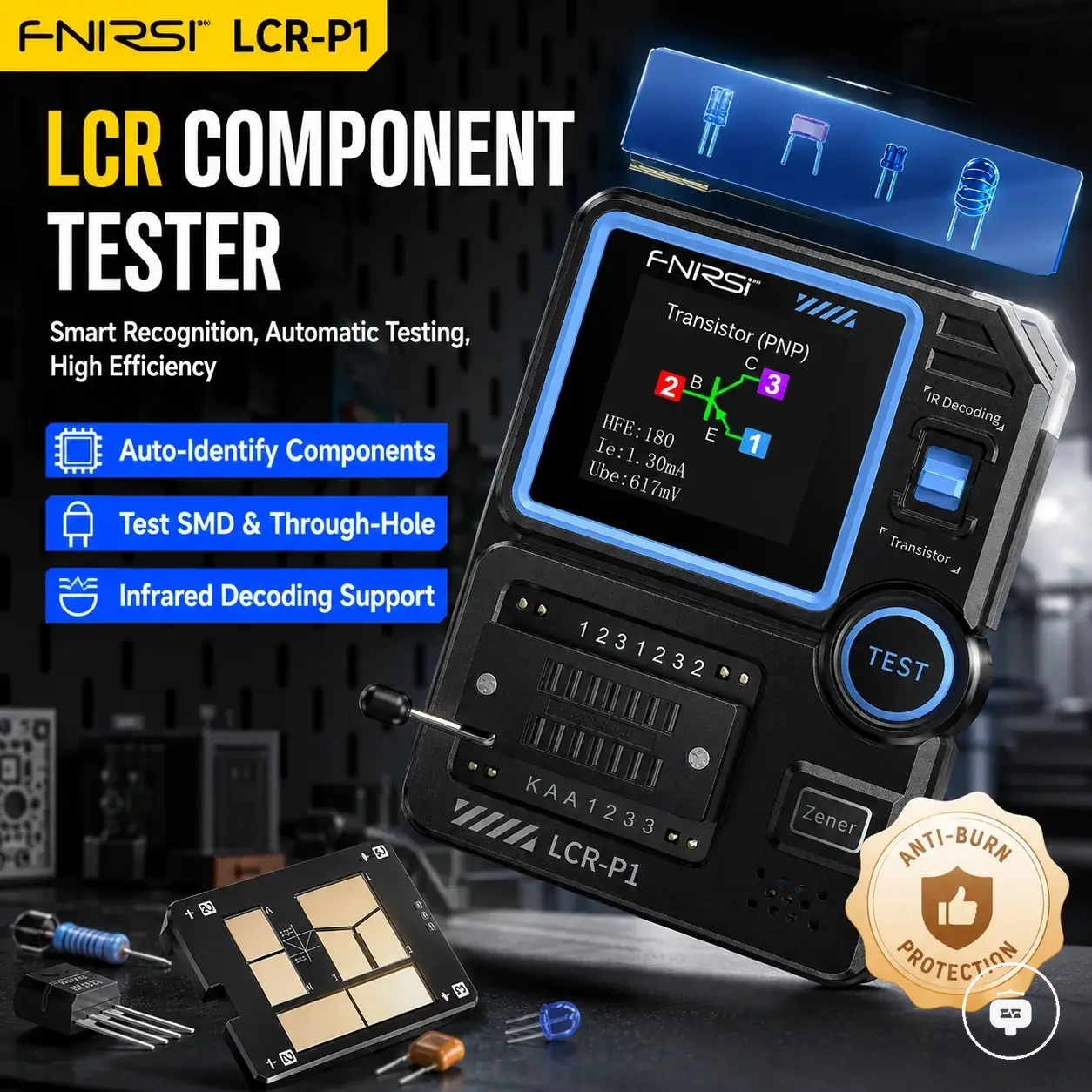
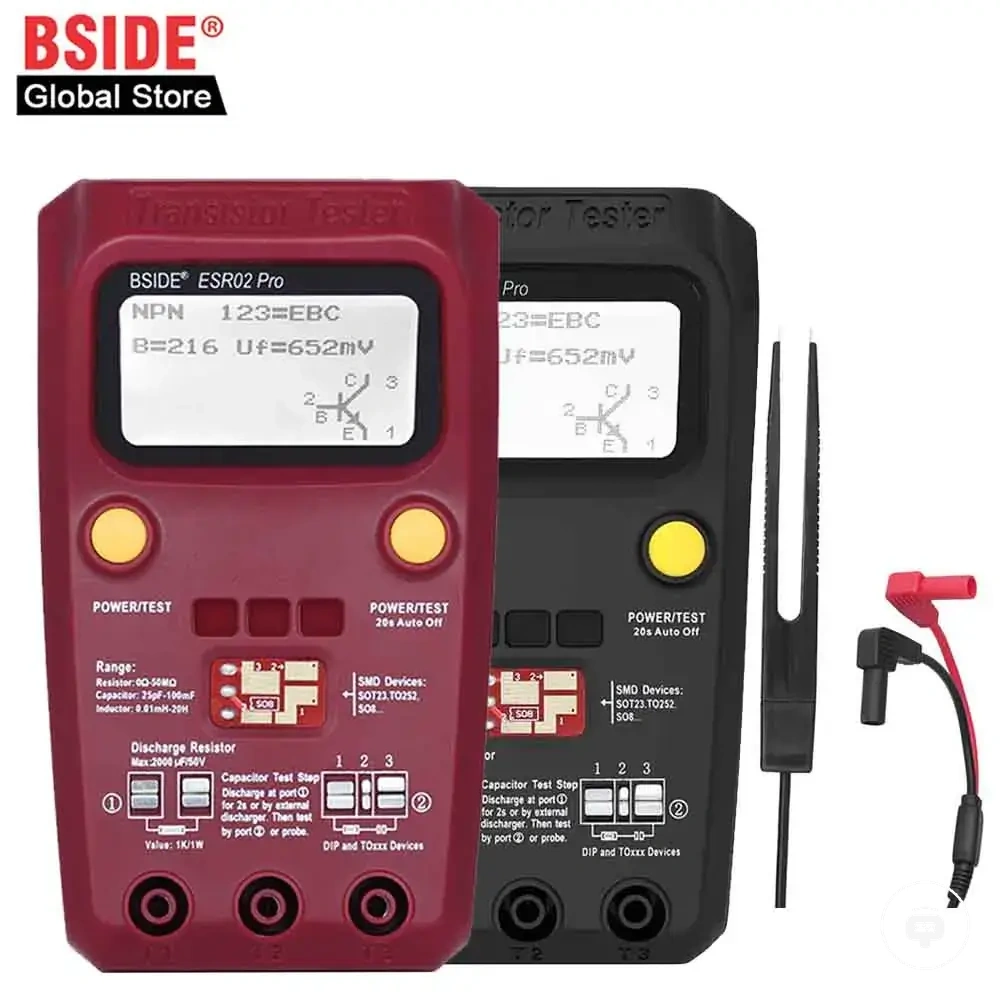
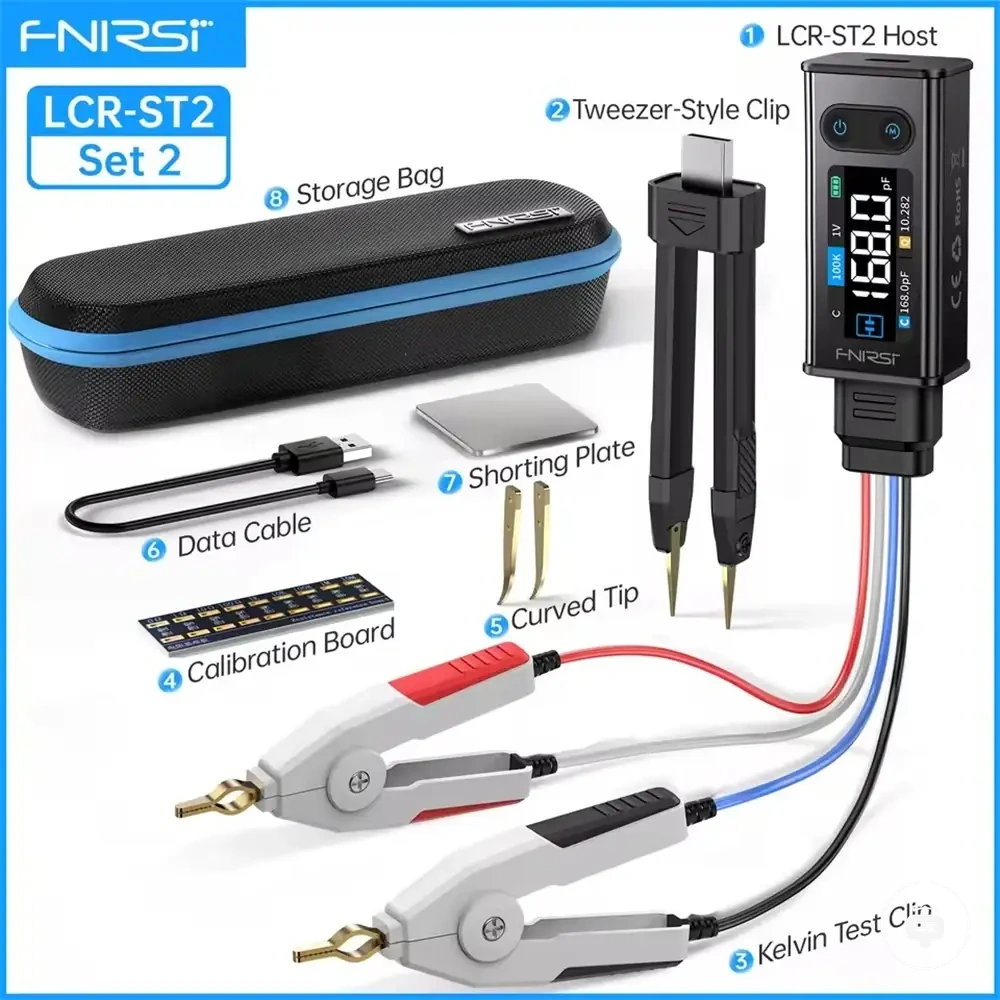
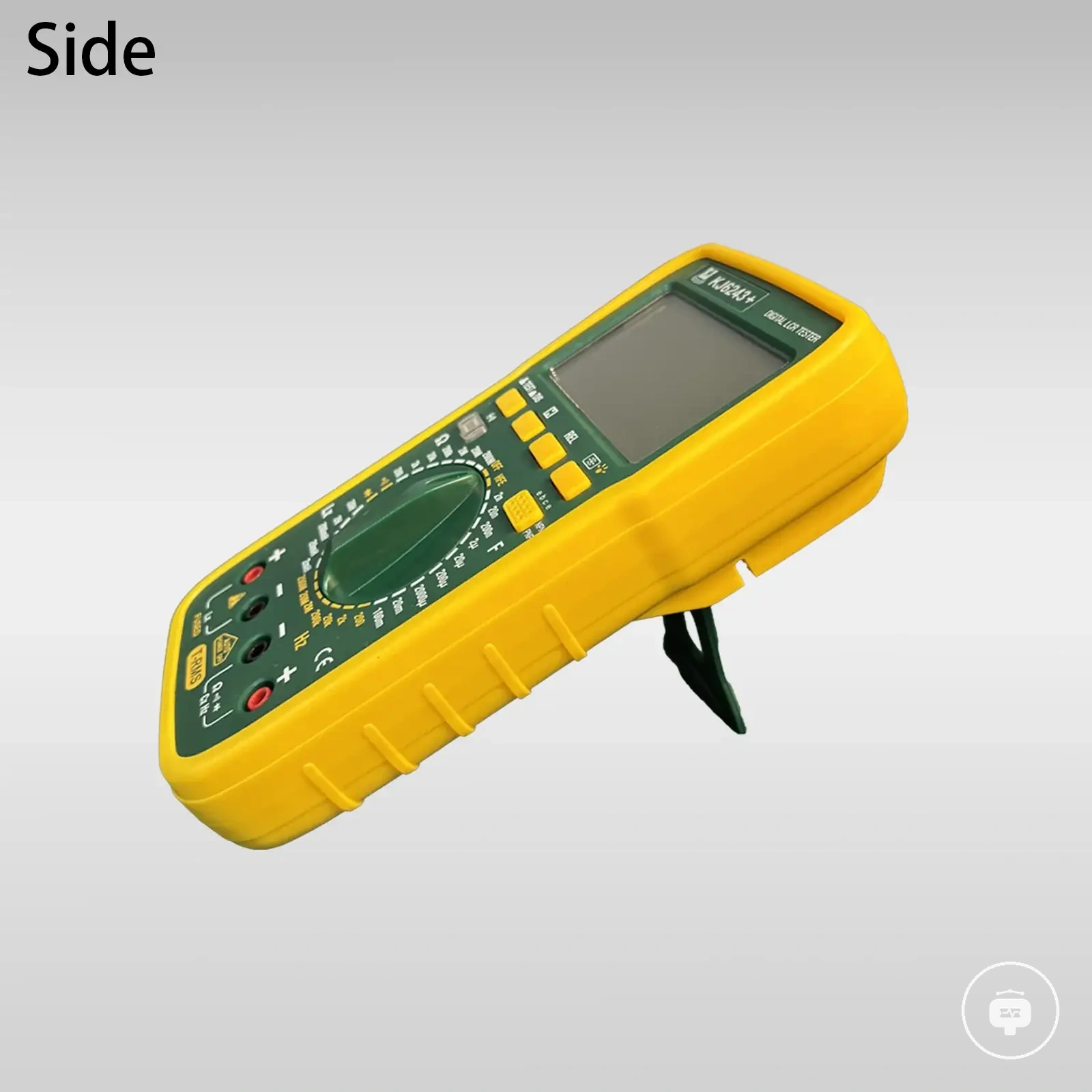
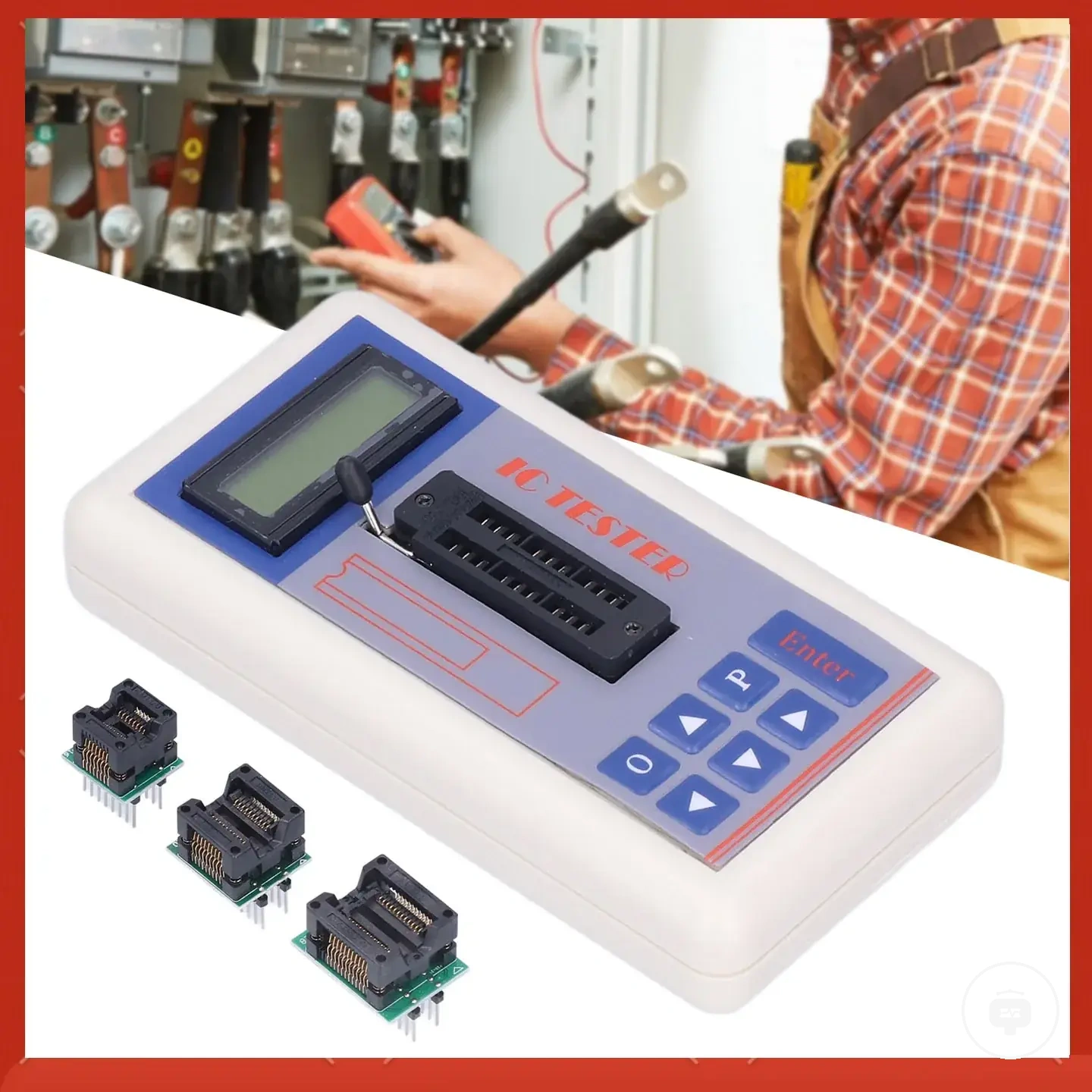
Long-term value is better assessed by comparing capabilities with expected usage conditions and practical limitations. If routine component testing is the primary goal, features that improve everyday usability may offer more value than functions intended for occasional tasks. When deciding whether a dedicated tester is appropriate, it may also help to compare with a multimeter based on the measurements and testing tasks you expect to perform.
Use the following checklist to evaluate value before selecting an electronic component tester:
- Cost factor: Consider cost alongside the capabilities needed for your typical testing tasks.
- Feature value: Prioritise features that support the components and measurements you expect to use most often.
- Usage condition: Consider whether the tester remains suitable if your testing requirements change over time.
- Decision outcome: Choose the option that provides an appropriate balance of features, limitations, and expected long-term use for your situation.
This chart outlines the key checklist factors for evaluating an electronic component tester's long-term value, including cost, features, usage conditions, and decision outcome.