Raspberry Pi Accessory Kit vs Individual Parts
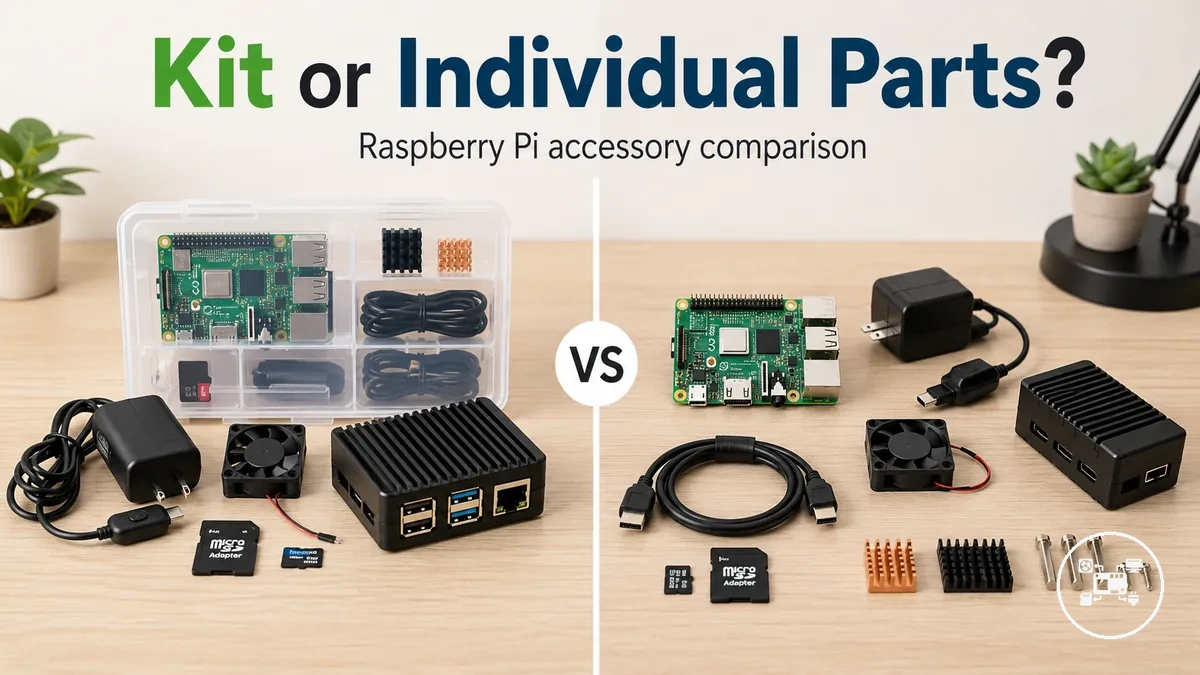
A Raspberry Pi accessory kit is the more convenient setup option when its included components match the Raspberry Pi board and intended use, while individual accessories provide greater flexibility when the setup requires specific components or customization. The primary comparison is therefore bundled completeness versus component-level control. Neither setup option is universally preferable because compatibility and requirements differ by board and project.
The primary comparison is therefore bundled completeness versus component-level control.
A starter kit groups predefined components into one accessory selection, reducing the number of separate choices needed before assembly. Individual accessories allow the power supply, case, cooling hardware, storage, and cables to be selected separately, but each component must satisfy the relevant board interfaces and operating requirements. Raspberry Pi recommends a 5 V, 5 A USB-C supply for Raspberry Pi 5, and the official Raspberry Pi 27 W USB-C Power Supply provides up to 5.1 V at 5 A. Raspberry Pi specifies that this supply lets Raspberry Pi 5 raise the available USB peripheral current from 600 mA to 1.6 A, while a 3 A supply can operate the board with lower-power peripherals but may limit high-current devices such as SSDs or hard drives. By comparison, Raspberry Pi specifies its 15 W USB-C Power Supply at 5.1 V and 3 A for Raspberry Pi 4 and Raspberry Pi 400, showing why a bundled kit intended for one generation should not be assumed to meet another generation’s power and peripheral requirements.
A starter kit groups predefined components into one accessory selection, reducing the number of separate choices needed before assembly.
The decision should begin with whether the Raspberry Pi accessory kit contains every required component in a compatible configuration and whether any included component would remain unused. A compatible bundled kit can simplify the initial setup, whereas separate parts can provide a tailored upgrade or replacement path without tying the configuration to a fixed bundle. The detailed comparison should therefore evaluate included components, compatibility, flexibility, and setup requirements as connected criteria rather than treating the kit label alone as evidence of suitability.
Table of Contents
Raspberry Pi Accessory Kits and Individual Parts as Complete Setup Options
Raspberry Pi accessory kits are setup options that combine bundled components for a stated board or use case, while individual parts are separate accessories selected one component at a time. The accessory-kit approach provides predefined coverage and convenience, whereas individual parts provide component-level customization and flexibility.
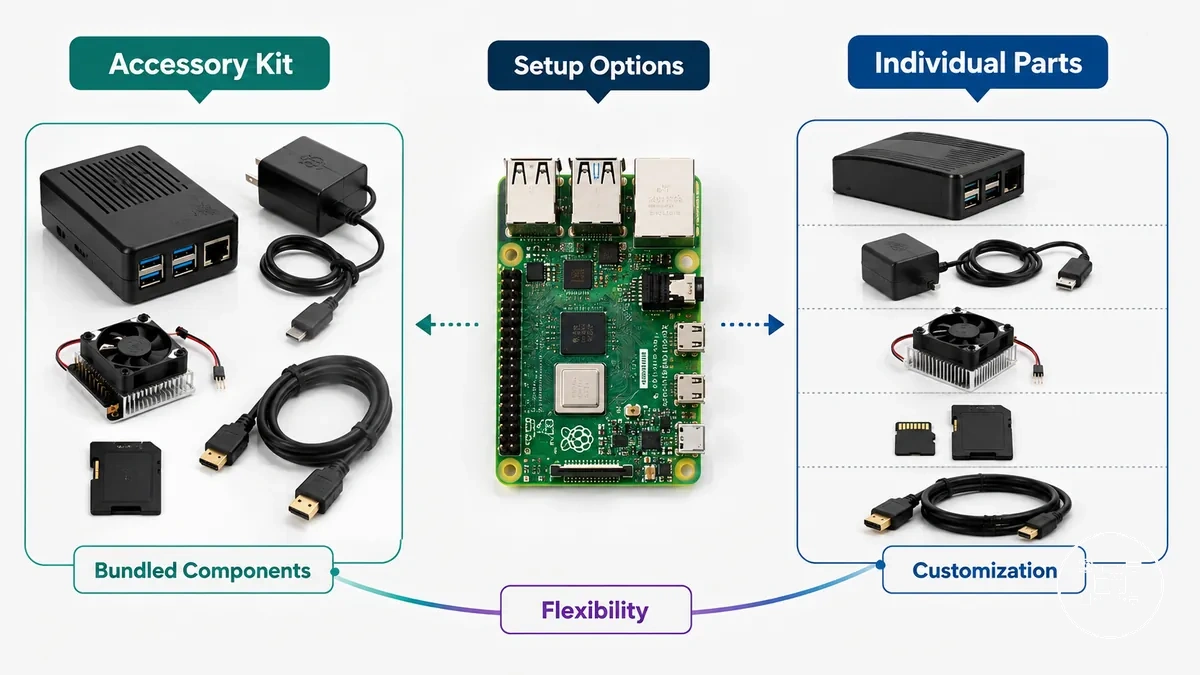
The broader Raspberry Pi accessories guide covers categories that either approach can supply, including power, cases, cooling, storage, and connection hardware. Raspberry Pi accessory kits fix the included component categories and specifications at the bundle level, while individual parts allow each category and specification to be selected separately. For example, Raspberry Pi specifies the 27 W USB-C Power Supply for Raspberry Pi 5 at a maximum output of 5.1 V and 5 A, while the official 15 W USB-C Power Supply for Raspberry Pi 4 and Raspberry Pi 400 provides 5.1 V and 3 A. This model-specific difference shows that a bundled kit reduces component-selection work only when its power supply and other bundled components match the intended board, whereas separate accessories preserve control over each specification.
The broader Raspberry Pi accessories guide covers categories that either approach can supply, including power, cases, cooling, storage, and connection hardware.
Setup completeness means that the selected setup option supplies every component required by the intended configuration, not that it contains every available accessory category. Raspberry Pi accessory kits are bounded by their listed bundled components, while individual parts are bounded by the accessories selected and verified for the setup. Convenience defines the scope of the accessory bundle, and customization defines the scope of separate component selection; detailed compatibility, cost, and selection decisions remain outside this overview.
What Raspberry Pi Starter Kits Include Compared With Individual Accessories
Raspberry Pi starter kit contents vary by board generation, configuration, and intended use: included components may cover a Raspberry Pi case, power accessories, cooling accessories, storage, and connection cables, while individual accessories are selected separately by category. A starter kit therefore provides a fixed bundle, whereas separate component selection provides customization at the accessory level. No single starter kit composition applies to every Raspberry Pi setup.
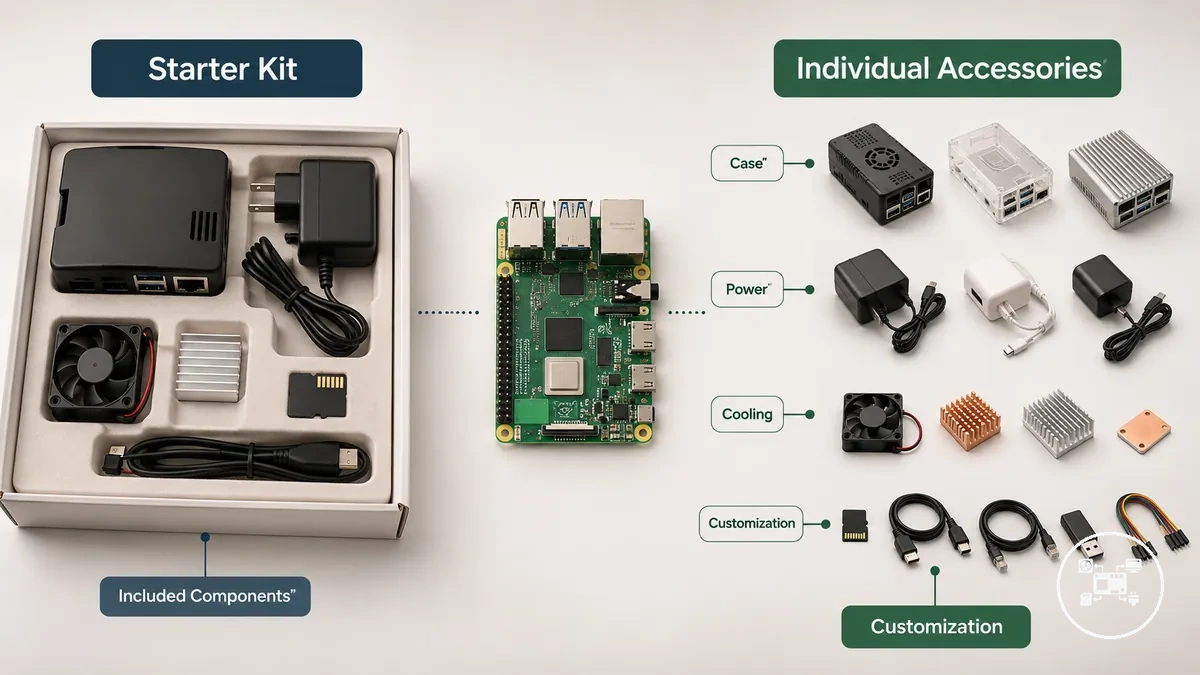
Bundled parts reduce the number of separate component choices only when the included components match the target board and setup. Raspberry Pi specifies that its Raspberry Pi 4 Desktop Kit includes a Raspberry Pi 4 Model B, a Raspberry Pi case, a 15.3 W USB-C power supply, a 16 GB microSD card, a keyboard, a mouse, and two 1 m micro-HDMI-to-HDMI cables. By contrast, individual accessories allow each category to be selected independently, including power and cooling specifications that a fixed kit may omit or predefine. Raspberry Pi also specifies 5.1 V at 3.0 A for its 15 W supply designed for Raspberry Pi 4 and Raspberry Pi 400, while its Raspberry Pi 5 power guidance recommends a 5 V, 5 A USB-C supply; this difference shows why included power accessories must be assessed for the stated board rather than treated as interchangeable.
| Option | Included components | Customization level | Practical effect |
|---|---|---|---|
| Starter kit | A predefined set of categories, which may include a Raspberry Pi case, power accessories, cooling accessories, storage, cables, or peripherals according to the listed configuration. | Fixed to the components and specifications supplied in the bundle. | Reduces separate accessory selection when the bundle covers the intended setup, but omitted or unsuitable components must be sourced separately. |
| Individual accessories | Only the case, power, cooling, storage, cable, and peripheral components selected for the intended configuration. | Component-by-component selection across every required accessory category. | Supports a tailored configuration, but each selected component requires a separate compatibility and specification check. |
The practical boundary is completeness: a starter kit is complete only for the requirements covered by its stated included components, while individual accessories are complete only after every required category has been selected. The essential Raspberry Pi accessories checklist can be used to compare a kit’s contents with common first-setup requirements before identifying missing components. Convenience is the fixed bundle’s primary effect, while customization and control over omitted, replacement, or upgraded components are the primary effects of separate selection.
Kit Compatibility and Component Selection Differences
Compatibility influences both Raspberry Pi starter kits and individually selected accessories because every component must match the target Raspberry Pi board, its ports, power requirements, and physical accessory fit. According to Raspberry Pi documentation, Raspberry Pi 5 is designed for a USB-C power supply capable of up to 5 V and 5 A for full-power operation, while Raspberry Pi 4 uses a 5.1 V, 3 A USB-C power supply, so a kit intended for one board generation should not be assumed to be compatible with another. Compatibility therefore depends on verified matching requirements rather than whether accessories are purchased as a bundle or individually.
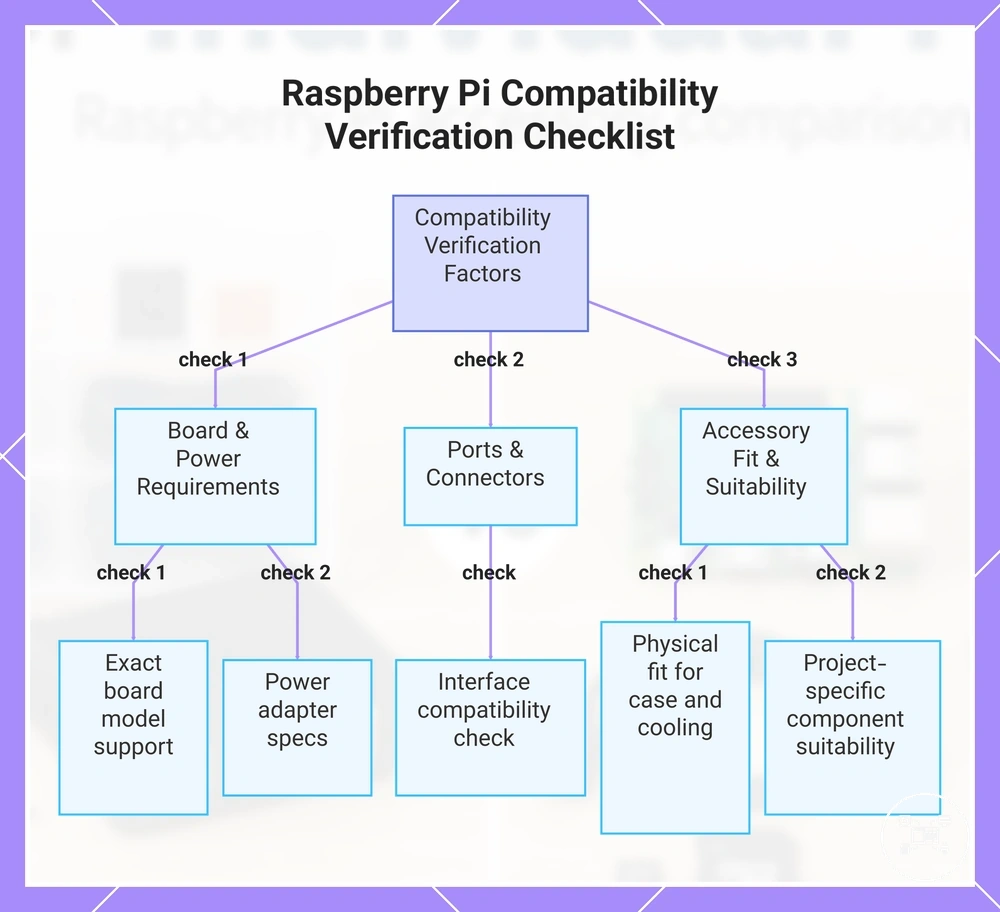
Each factor affects whether the completed setup can be assembled and operated as intended.
The following checklist organises the compatibility factors that should be verified before selecting either approach. Each factor affects whether the completed setup can be assembled and operated as intended.
- Raspberry Pi board: Confirm that the starter kit or individual accessory explicitly supports the exact Raspberry Pi board model and revision.
- Power requirements: Verify that the supplied power adapter matches the voltage, current, and USB-C connector specified by Raspberry Pi for the target board to maintain stable operation.
- Ports and connectors: Check that displays, storage devices, cameras, HATs, and cables use compatible ports and connectors, including USB, GPIO, CSI, DSI, Ethernet, or HDMI interfaces where required.
- Accessory fit: Ensure that the case, heatsink, cooling fan, and expansion accessories are designed for the board's physical dimensions, mounting points, and connector layout.
- Component suitability: Confirm that bundled components match the intended project because a starter kit may omit accessories required for a specific application or include components that are unnecessary for another use case.
For example, Raspberry Pi states that a Raspberry Pi 5 can operate with a 3 A USB-C power supply, but USB peripheral current is limited compared with operation using the recommended 5 A supply, which can affect high-power accessories such as external storage devices. Detailed compatibility evaluation extends beyond this comparison and should include board revisions, expansion hardware, and interface requirements; see compatibility before choosing a kit for a complete compatibility assessment. Verifying compatibility before purchase helps reduce unnecessary replacements while avoiding assumptions that every kit or individual accessory fits every Raspberry Pi board.
Verifying compatibility before purchase helps reduce unnecessary replacements while avoiding assumptions that every kit or individual accessory fits every Raspberry Pi board.
This chart outlines the key compatibility factors to verify when choosing between a Raspberry Pi starter kit and individually selected accessories, ensuring proper fit and operation.
Choosing a Raspberry Pi Accessory Kit or Individual Parts for Different Needs
A first-time desktop setup and a specialised project create different selection decisions: choose an accessory kit when its included components match the complete setup needs, and choose individual parts when project requirements demand component-level flexibility. The decision should compare experience level, required accessories, customization needs, and the usefulness of every bundled component. Neither option is preferable for every Raspberry Pi configuration.
Neither option is preferable for every Raspberry Pi configuration.
The selection criteria below organise the decision around convenience, component control, and project suitability. An accessory kit reduces separate selection work when the required case, power supply, cooling, storage, and cables are already included. Individual parts provide greater flexibility because each accessory can be selected, omitted, replaced, or upgraded independently. Included component value is positive only when the setup will use those components in their supplied specifications. Project requirements favour separate selection when a standard bundle lacks a required interface, cooling method, storage format, or expansion accessory. Experience level matters because a predefined bundle reduces initial component matching, while individual selection requires each accessory specification to be checked separately.
| Priority | Kit advantage | Individual part advantage | Decision factor |
|---|---|---|---|
| Initial convenience | Groups predefined setup components into one bundle. | Allows only the required components to be selected. | Choose the accessory kit when every required category is included and compatible. |
| Project requirements | Supports the project when the bundled specifications match the planned configuration. | Supports project-specific power, cooling, storage, interface, and expansion requirements. | Choose individual parts when one or more required specifications differ from the bundle. |
| Flexibility | Limits customization to replacing or supplementing bundled components. | Allows each accessory to be omitted, upgraded, or replaced independently. | Prioritise individual parts when future changes or specialised hardware are expected. |
| Included component value | Concentrates value when all bundled components will be used. | Avoids including accessories that the setup does not require. | Compare the listed bundle contents with the exact setup needs before choosing. |
A beginner building a desktop system may favour an accessory kit when it supplies the required case, storage, display cables, and power accessories in compatible specifications. A robotics, automation, media, or embedded build may favour individual parts when the project requires specialised cooling, expansion hardware, storage capacity, or power delivery. For example, Raspberry Pi recommends a 5 V, 5 A supply for Raspberry Pi 5, while its Raspberry Pi 4 Desktop Kit includes a 15.3 W USB-C supply intended for Raspberry Pi 4; this model-specific difference shows why power requirements must follow the target board rather than the bundle format. The accessories by project need resource connects these setup priorities with project-based accessory selection.
The accessories by project need resource connects these setup priorities with project-based accessory selection.
Choose an accessory kit when its included components satisfy the board, project requirements, and initial setup priorities without unnecessary substitutions. Choose individual parts when flexibility, customization, future upgrades, or specialised component specifications carry more value than bundled convenience.
Cost, Convenience, and Value Trade-Offs Between Kits and Separate Accessories
The value of a Raspberry Pi accessory kit versus individual accessories depends on useful included components, avoided extras, convenience, flexibility, and long-term suitability. A kit provides stronger component value when most bundled parts match the intended setup, while separate accessories provide stronger value when the user needs specific specifications or wants to avoid unused items. Cost should therefore be assessed against the accessories that will actually be installed, not against the number of items in the package.
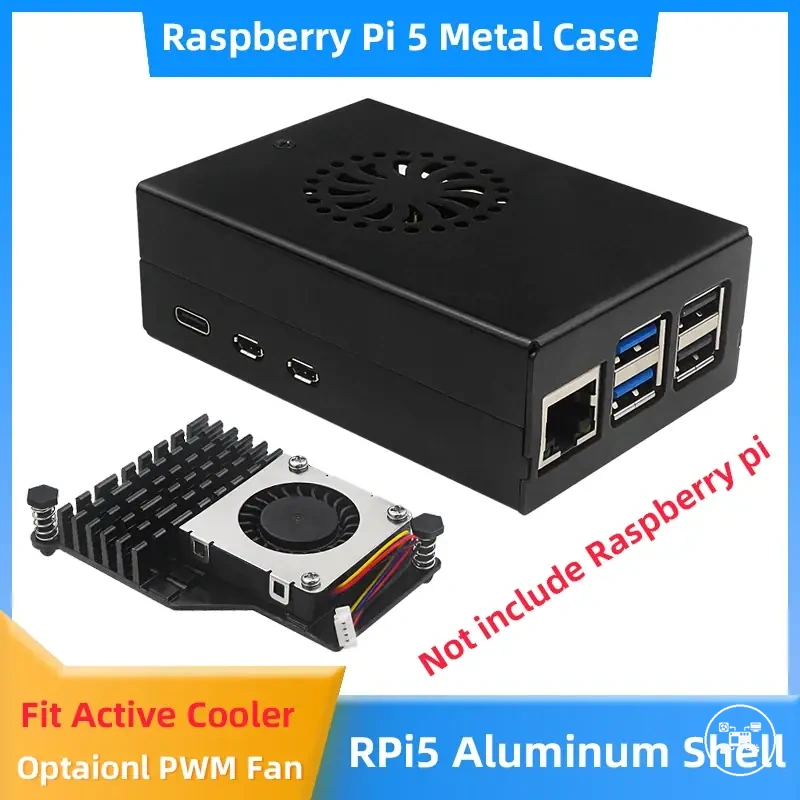
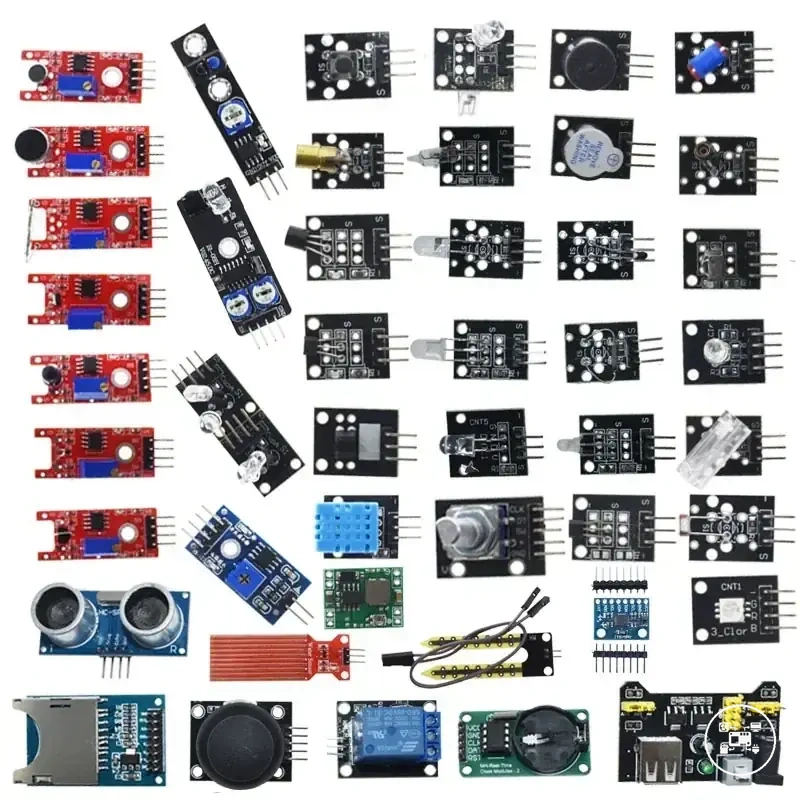
The products below are useful examples for comparing available options.
The products below are useful examples for comparing available options. Before buying, check that the compatibility criteria, key features, and product details match your needs.
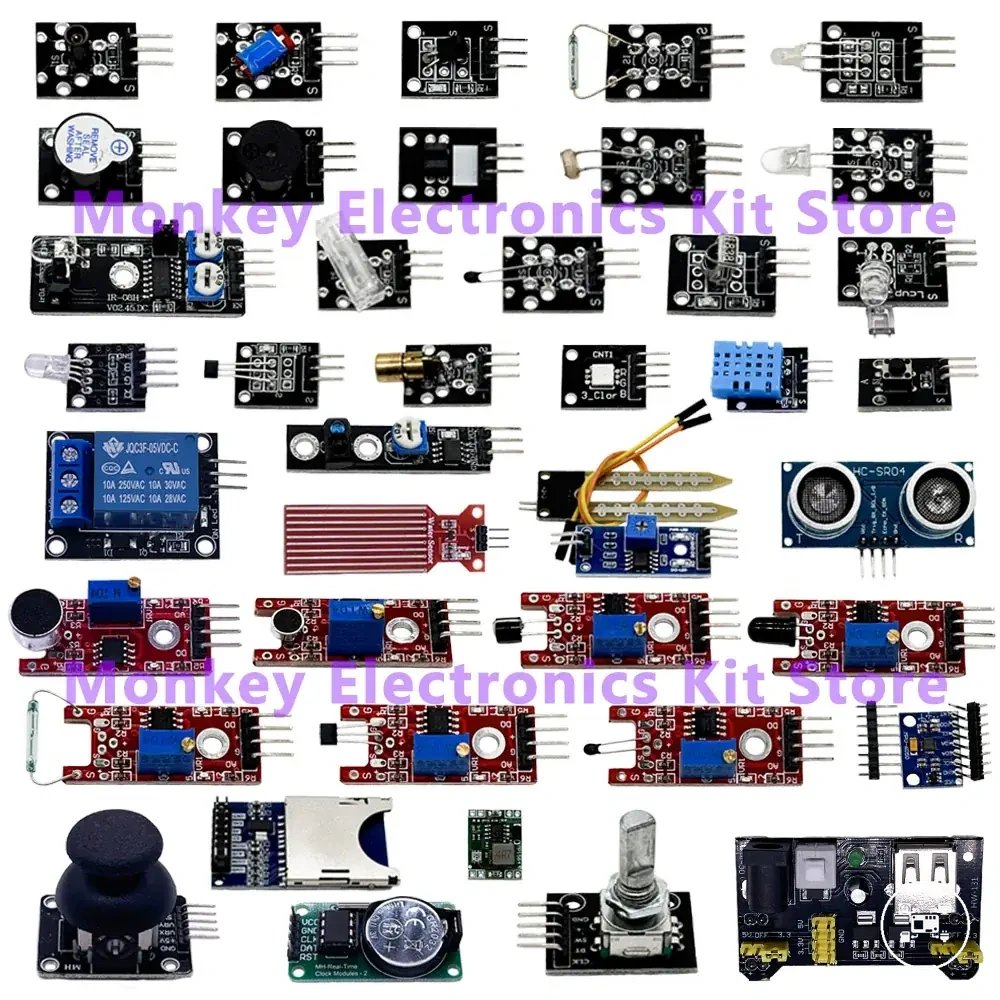
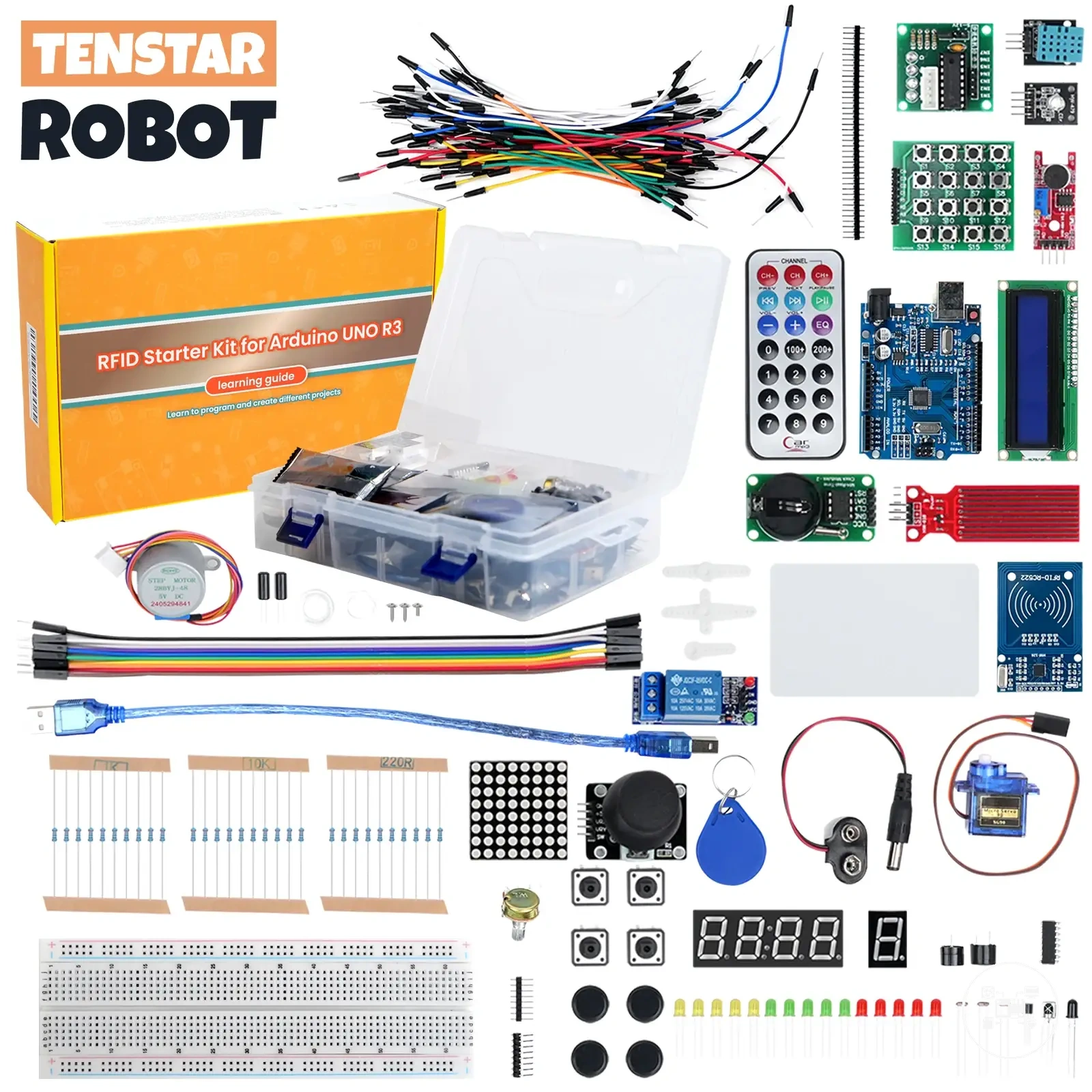
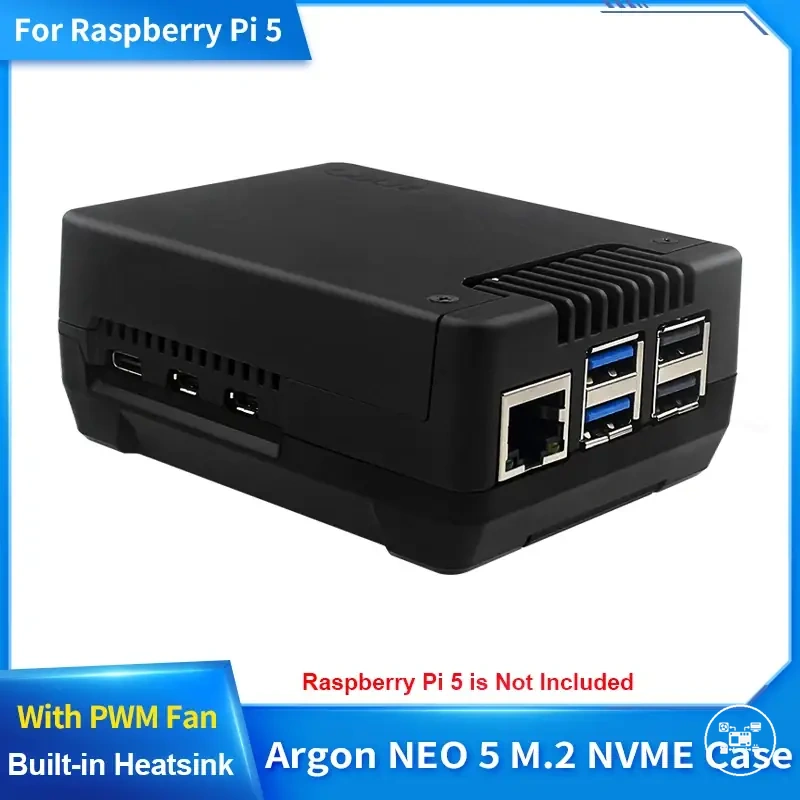
An accessory kit reduces selection effort by grouping compatible-looking components into one purchase, but convenience has practical value only when the included components meet the board and project requirements. Individual accessories require more component-by-component comparison, yet they allow the buyer to exclude unnecessary parts and select a preferred quality level for each category. For example, suppose an accessory kit costs AUD 120 and contains six components, but only four will be used; the illustrative cost per used component is AUD 30, calculated as AUD 120 divided by four. The broader Raspberry Pi accessories cost and value comparison should therefore consider usable components, replacement needs, and long-term suitability rather than bundle size alone.
| Factor | Accessory kit consideration | Individual accessory consideration | Decision impact |
|---|---|---|---|
| Cost | One purchase covers a predefined group of included components. | Spending is limited to the separate components selected for the setup. | Compare total expenditure with the number and suitability of components that will actually be used. |
| Convenience | Reduces the number of separate accessory-selection decisions. | Requires each component category and specification to be checked independently. | A kit gains value when reduced selection work matters and its contents match the setup. |
| Included components | Component categories and specifications are fixed by the bundle. | Each accessory category can be included, omitted, or upgraded separately. | Unused bundled parts reduce component value, while targeted selection reduces unnecessary extras. |
| Replacement | One unsuitable or failed bundled component can require a separate replacement while the remaining kit contents stay unchanged. | Each accessory can be replaced independently without changing the rest of the setup. | Separate selection provides more replacement flexibility when components have different upgrade cycles. |
| Quality and customization | Quality is limited to the specifications supplied in the bundle. | Quality, capacity, cooling method, and interface can be chosen separately for each accessory. | Individual accessories provide more customization when project requirements exceed the bundle specifications. |
Flexibility becomes more valuable when storage, cooling, power delivery, or expansion requirements differ from the included components. A kit can reduce initial setup work, but replacing an unsuitable bundled part adds cost without recovering the value of the unused component. Individual accessories require more comparison work, yet component-by-component replacement can improve long-term suitability when the setup is expected to change. The trade-off is therefore fixed convenience versus controlled customization, not an automatic saving from either purchase format.
The trade-off is therefore fixed convenience versus controlled customization, not an automatic saving from either purchase format.
Choose the accessory kit when its included components are compatible, useful, and likely to remain suitable for the planned setup. Choose individual accessories when avoiding extras, selecting specific quality levels, or preserving upgrade and replacement flexibility has greater value than bundled convenience.
When Individual Raspberry Pi Accessories Are a Better Choice
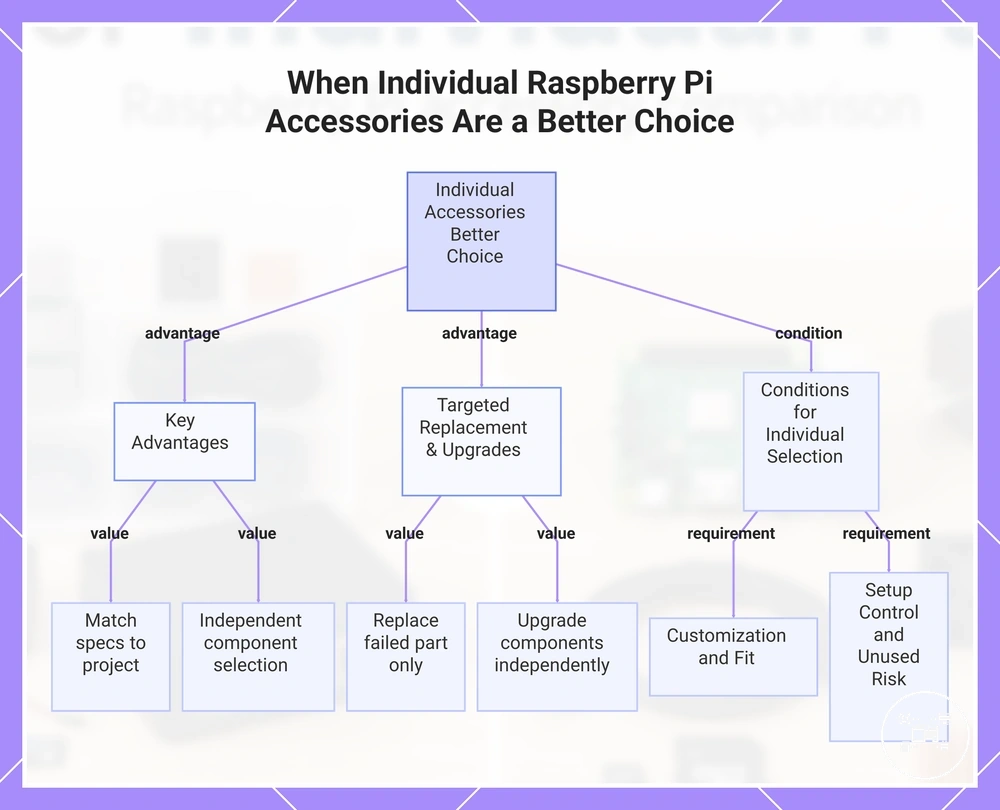
Individual accessories are a better choice when a Raspberry Pi setup requires specific component specifications, independent replacement, planned upgrades, or customization that a fixed kit does not provide. Separate parts increase flexibility because each accessory can be matched to the board, project, and upgrade path without retaining unrelated bundled components. This advantage is conditional: individual selection creates practical value only when the setup requirements are known and each component is checked for compatibility.
The following checklist identifies conditions in which individual selection may fit the setup more closely.
Individual accessories provide setup control when power, cooling, storage, enclosure, connector, or expansion requirements differ from the contents of a standard kit. Replacement is also more targeted because one failed or outdated component can be changed while compatible parts remain in use. An upgrade path is easier to manage when storage capacity, cooling hardware, or expansion accessories can be revised independently. For example, Raspberry Pi documentation specifies Raspberry Pi 5 power at 5 V and 5 A, or 5 V and 3 A with a 600 mA USB-peripheral limit; selecting the power supply separately allows the user to match the required peripheral condition instead of accepting a bundle-defined supply. The following checklist identifies conditions in which individual selection may fit the setup more closely.
Before buying, check that the compatibility criteria, key features, and product details match your needs.
The products below are useful examples for comparing available options. Before buying, check that the compatibility criteria, key features, and product details match your needs.
- Customization: Choose individual accessories when the setup requires a defined cooling method, storage capacity, enclosure type, or expansion interface that the kit does not include.
- Replacement: Use separate parts when one accessory must be replaced without changing the compatible components already installed.
- Upgrade path: Select components independently when storage, cooling, power delivery, or expansion hardware is expected to change over time.
- Accessory fit: Prefer individual selection when cases, heatsinks, cables, or add-on boards must match a specific Raspberry Pi model, connector layout, or mounting pattern.
- Unused component risk: Avoid a fixed bundle when one or more included accessories have no role in the planned configuration.
- Setup control: Use component-level selection when every accessory specification must satisfy a documented project requirement.
Individual accessories are most suitable when flexibility, customization, replacement, or a defined upgrade path is an explicit setup requirement. A kit remains suitable when its contents already match the intended configuration and separate component control provides no practical benefit. The decision should therefore qualify individual selection by the project’s actual requirements rather than treating separate parts as universally preferable.
This chart shows the key advantages and conditions that make individual accessories preferable over fixed kits for Raspberry Pi setups.
This chart shows the key advantages and conditions that make individual accessories preferable over fixed kits for Raspberry Pi setups.